From the farm to a curry
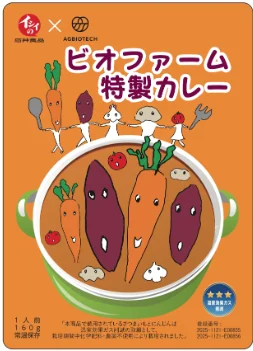
Developed with Ishii Food
The third Bio Farm curry, announced in February 2026, features winter-harvested sweet potatoes and carrots. Both were grown without pesticides or fertilisers during the cultivation period by growers supplying Private Bio Farm for businesses.
The first edition used onions and aubergines, and the second used potatoes. Working with Ishii Food, we have adapted the ingredients to the harvest. In the third edition, the natural sweetness of the two root vegetables shapes the flavour of the curry.
Sourcing for different uses
The ingredients and delivery schedule you need will depend on how you plan to use the produce. These are starting points for a conversation about crops, quantities and timing.
Food manufacturers
As the curry project illustrates, a seasonal crop can become an ingredient in a new product. Tell us about your product idea and the ingredients you are considering.
Restaurants
For a seasonal menu, start with the vegetables you have in mind and how long the dish will be served. We can also discuss what you would like diners to know about the farm.
Workplace cafeterias
Portion size, the number of meals and serving dates all help define the quantity to source. Start with an ingredient you would like to try in a seasonal dish.
Explaining the environmental data
The sweet potatoes and carrots used in the third curry received three stars under the Mieru Label for their contribution to reducing greenhouse gas emissions. The rating covers cultivation of those ingredients. Processing and transporting the finished curry fall outside its scope.


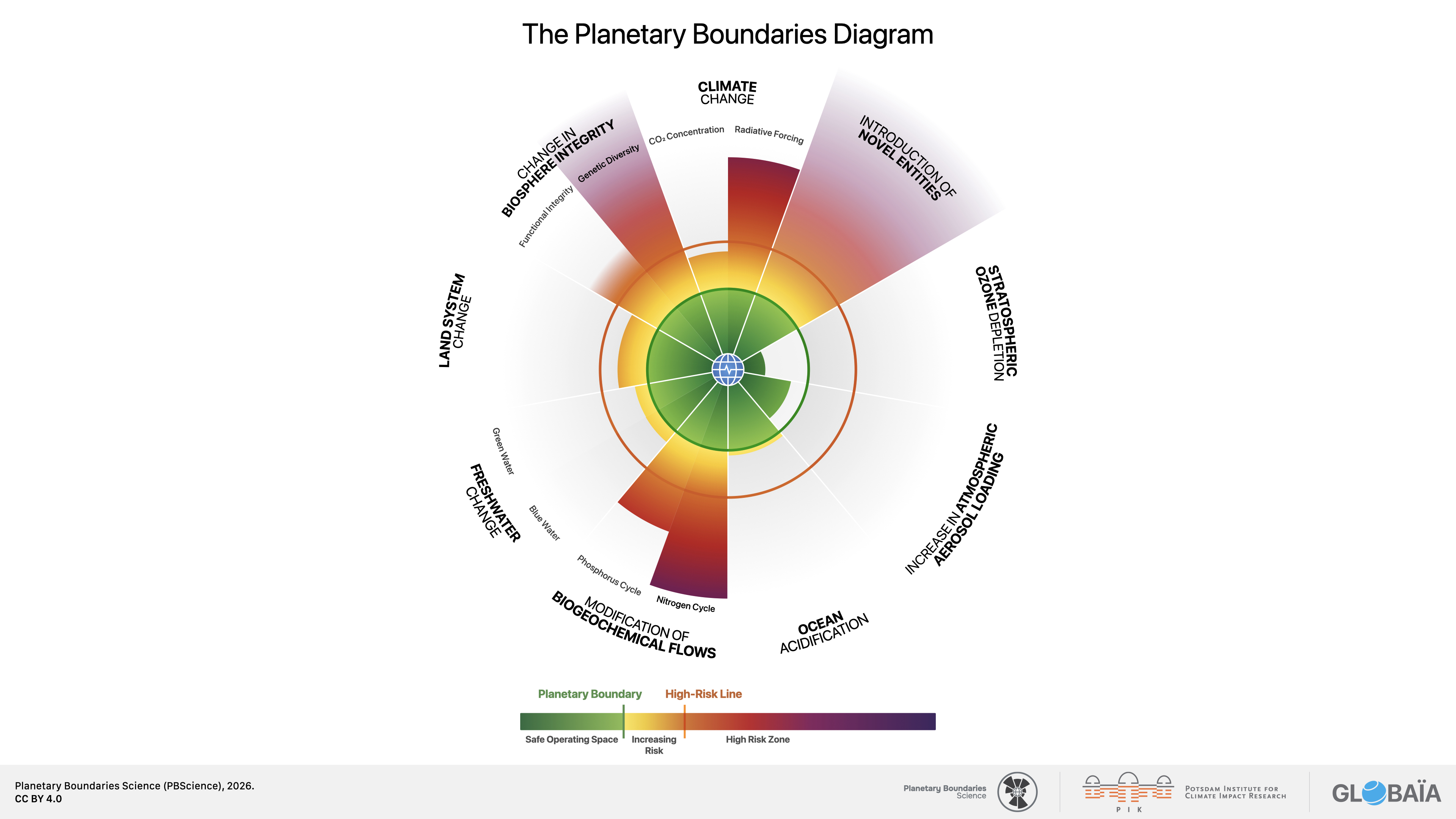
We plan to provide environmental assessment data alongside produce for business customers, identifying both the crop assessed and the conditions used for comparison. Our future work also includes exploring indicators for nitrogen cycling and biodiversity.
Discuss sourcing or a joint project
You can get in touch while your product or menu is still taking shape. Share what you know so far about the following points.
- Ingredients
- Produce or ingredients you are considering
- Volume and timing
- Approximate quantities and preferred delivery dates
- Intended use
- A new product, a seasonal menu or workplace meals
- Environmental information
- Information your buyers or customers need