Understand where food comes from and choose it with confidence
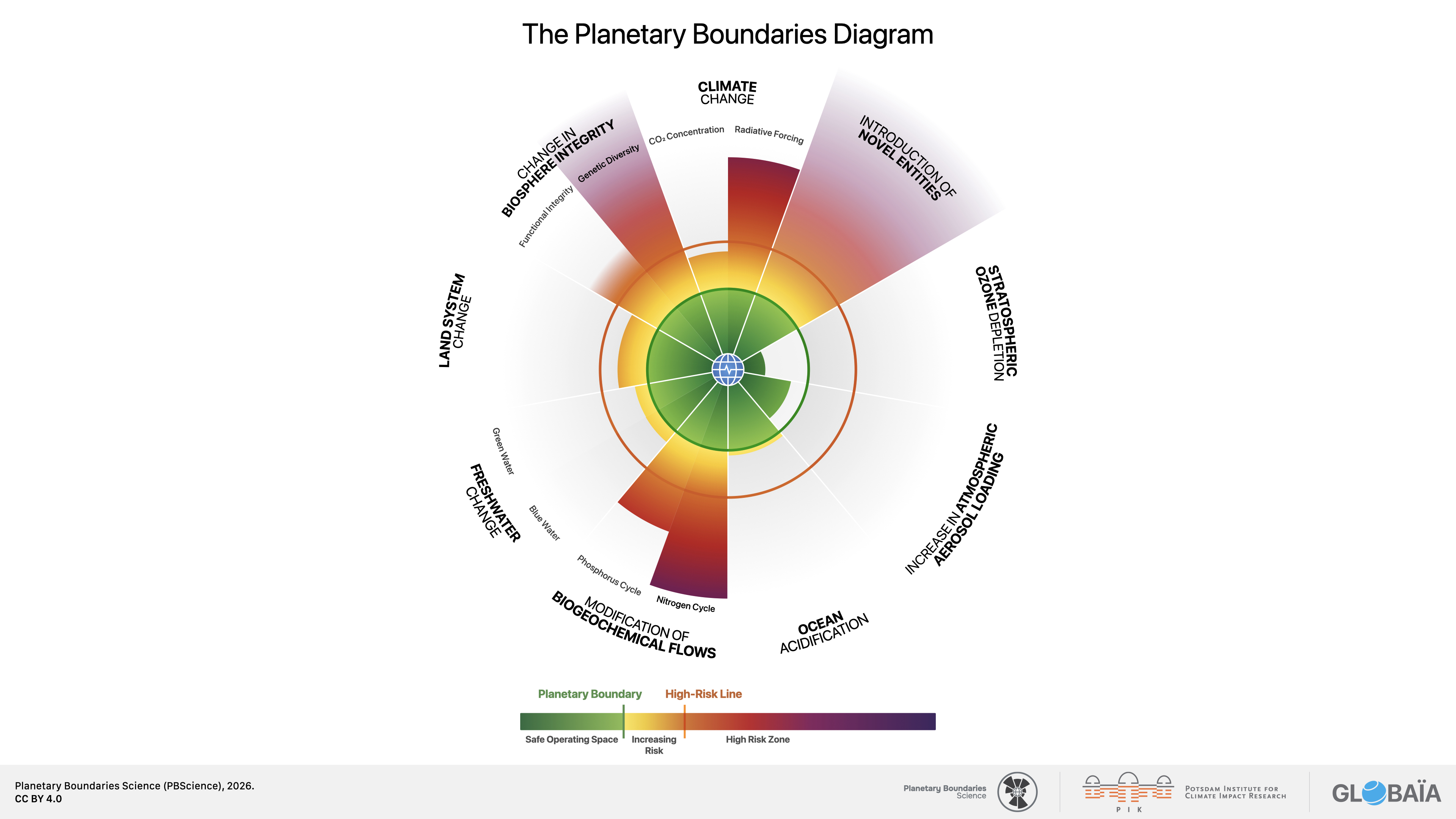
How do our daily food choices relate to farming and the environment? What roles do nutrients and the microbes in our bodies play in health? The Bio Meister Course explores four themes that connect everyday life with the planet.
Why we teach: Helping shoppers recognize how their food was grown
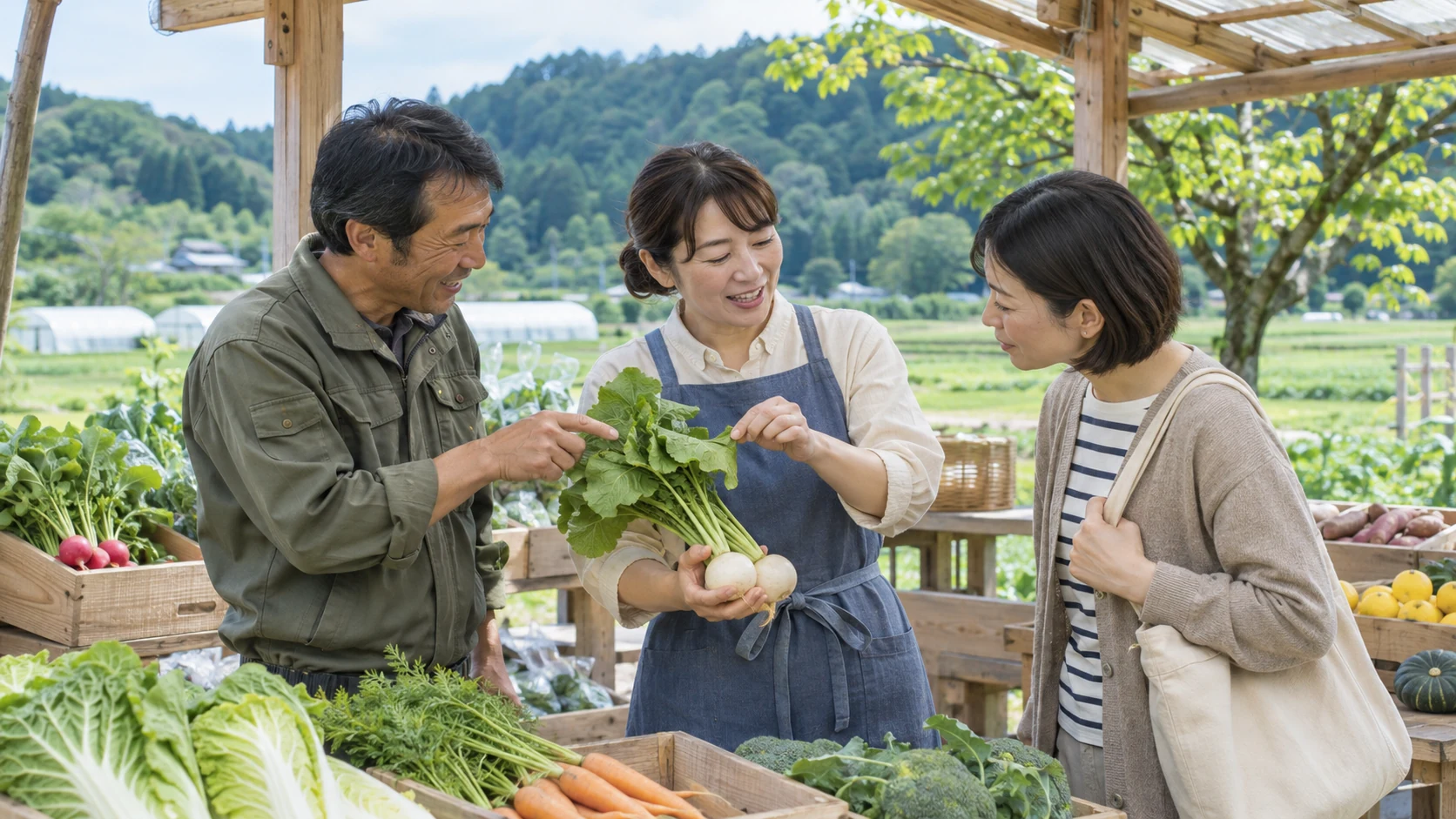
Farmers who practice Environmentally Friendly Agriculture need a market to keep growing. Shoppers need opportunities to learn how their food was grown and what farmers do to care for the soil and the environment. Those details are hard to see on a shop shelf.
We created the Bio Meister Course to help people understand the links between everyday meals, agriculture and the environment, and develop their own criteria for choosing food. The course brings together food, health, agriculture and the environment.
Four themes we explore
- Food
- Look at meals from their starting point on the farm. Explore the roles of food, the meaning of food choices, nutrients and additives, and how food affects health.
- Health
- Discover the roles of nutrients and microbes in the body, and explore the relationship between the gut and health. The course also examines patterns of illness today and the ways the environment affects health.
- Agriculture
- Learn how Environmentally Friendly Agriculture works and how it differs from conventional methods. Explore the challenges facing agriculture today and how farming affects the planet, food and health.
- Environment
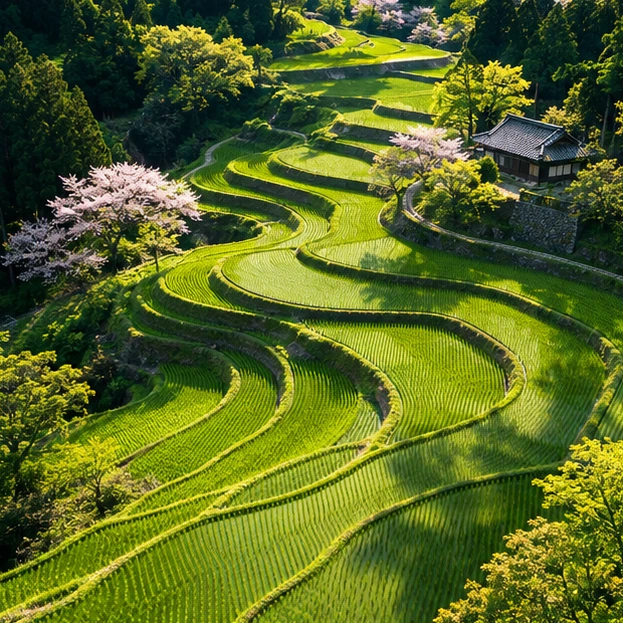
- Using Environmentally Friendly Agriculture practiced without pesticides or fertilizers as a case study, explore how farming relates to soil health, biodiversity and greenhouse gas reduction.
What you’ll study at each level
- Level 3
- Environment, food and health
- The roles of food
- Agriculture and environmental issues
- Level 2
- Fermentation and spoilage
- Fertilizers and pesticides
- Farming with nature as a guide
- Level 1
- Seeds of life
- Soil as a shared resource
- Natural cycles
Learning from farmers’ experience
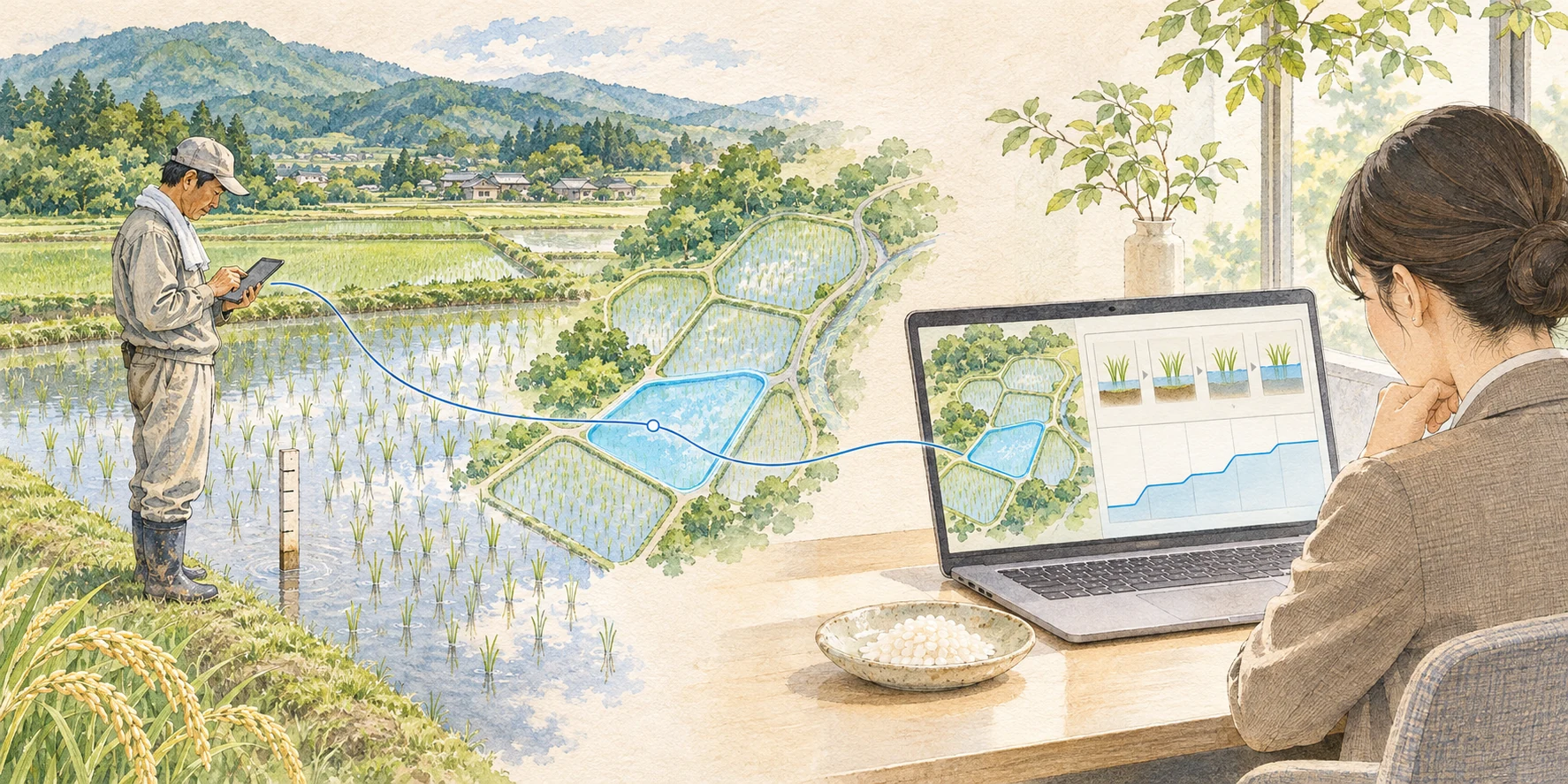
Alongside lessons on food, health, agriculture and the environment, participants have opportunities to hear directly from farmers who practice Environmentally Friendly Agriculture. What do farmers look for when deciding when a crop needs attention? Why do they choose one growing method over another? Hearing about these decisions helps participants connect what they study with what happens on a farm.
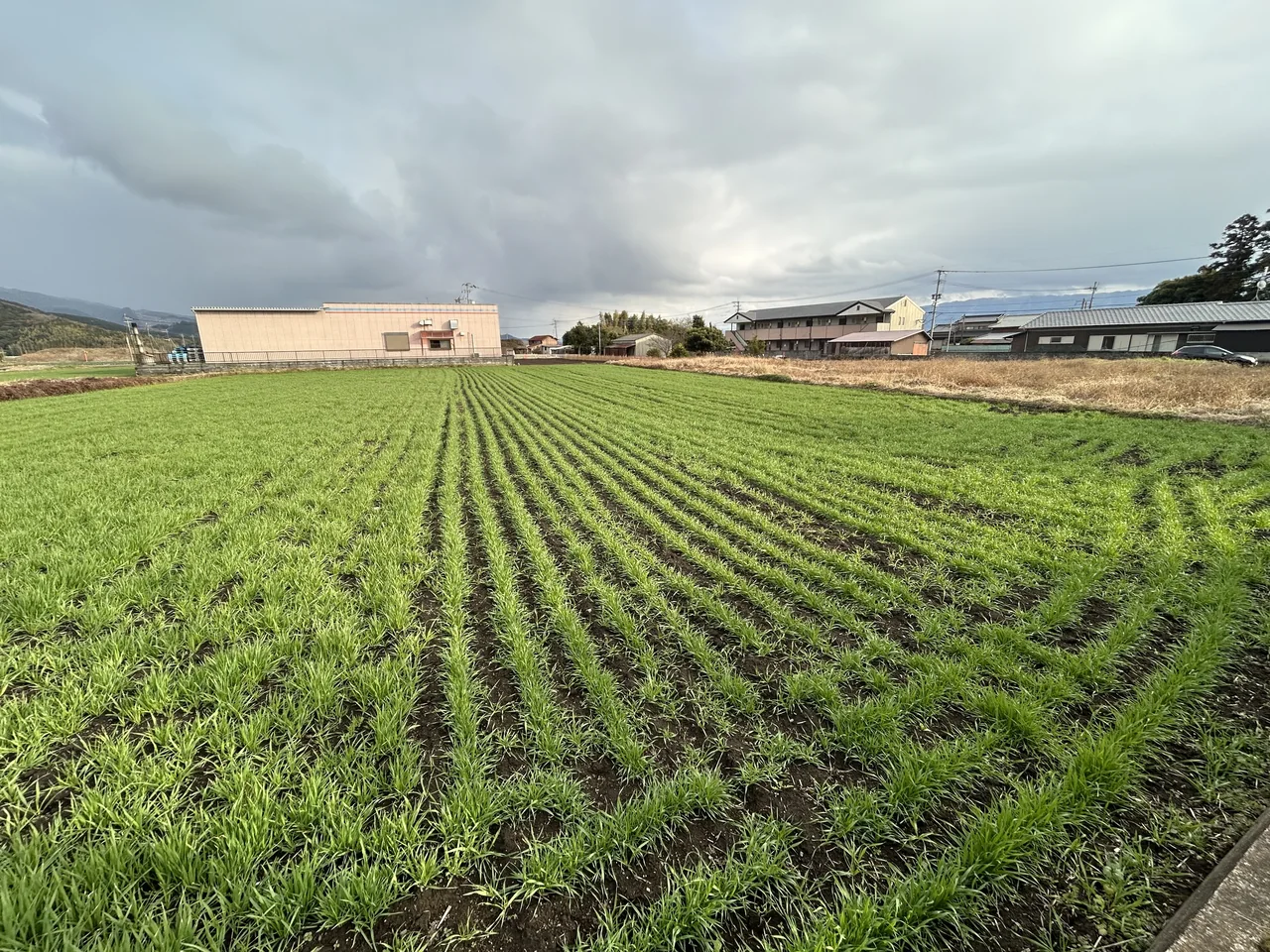
In some sessions, farmers join us online from their fields to show how their crops are growing and explain what they are seeing that day.
Guest lectures: Learn from specialists
We are planning guest lectures with specialists to explore questions that arise during the regular course. We want learners to hear how specialists think: what first caught their attention, what they looked for next, and how observation and experience shaped their understanding.
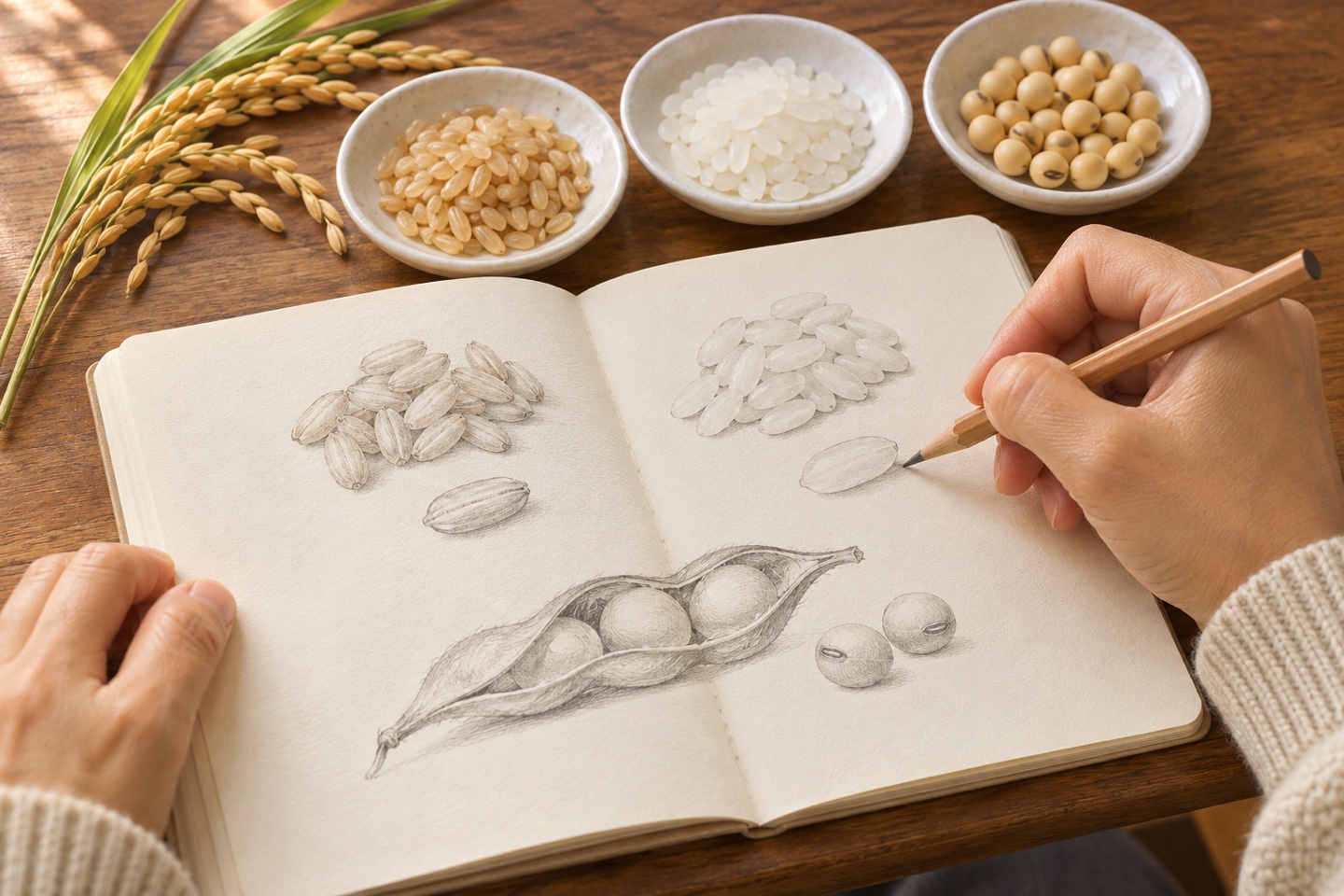
A familiar fermented food, for example, can lead to questions about the microbes that transform its ingredients or the fields where the rice or soybeans grew. Looking at one food from several perspectives can help you decide what to buy and, if you work with food, explain to someone else what makes a product worth choosing.
Put what you learn to work
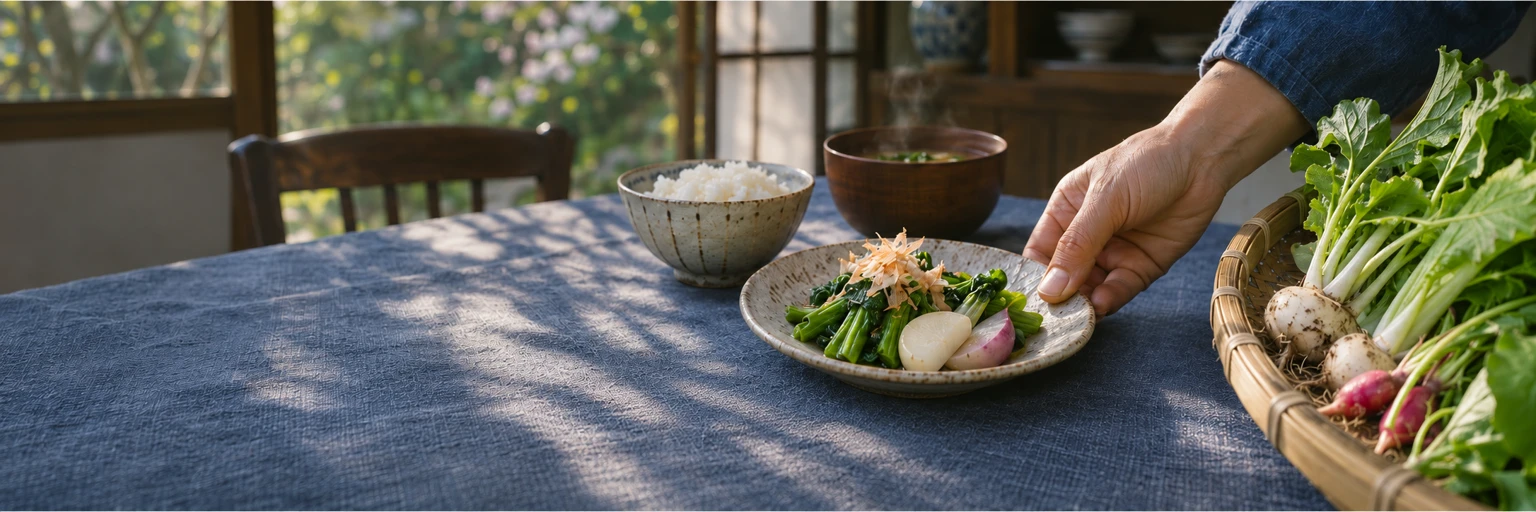
When choosing vegetables, for example, consider how they were grown alongside taste and price. You can use what you learn when shopping at home or when selecting and explaining products in a food-related job.
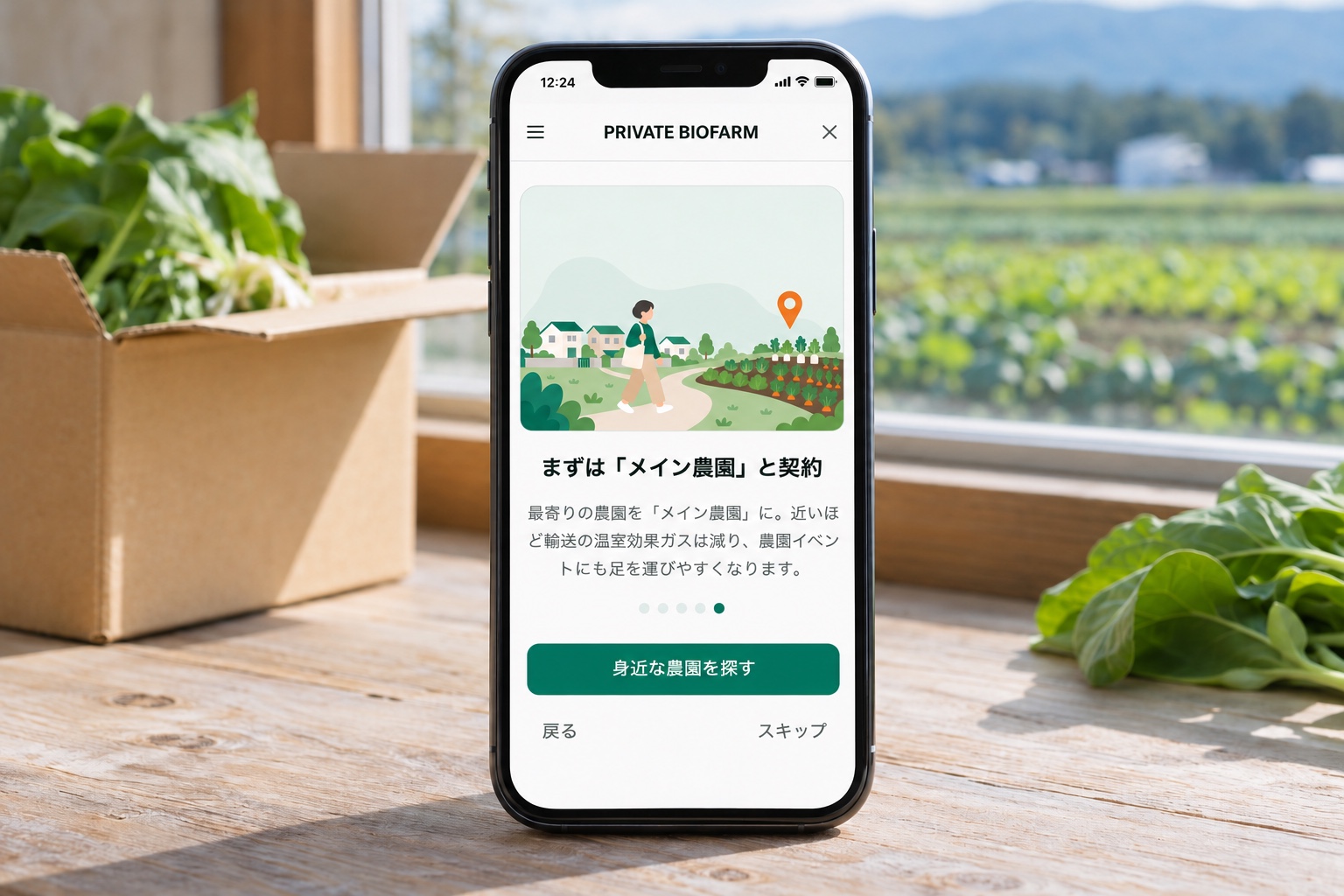
The course broadens the way people choose food. Private Bio Farm gives them access to produce grown with care for the environment. Together, education and reliable markets help farmers continue practicing Environmentally Friendly Agriculture.
Use the inquiry form to request a place. A franchise partner will explain how to enroll.